

Happy New Month of March!
This is my first blog of the year, and honestly, it might be the only one (hopefully not!). Last year, I wrote just one blog, but in my defense, I’ve been feeding our community daily career development strategies through our newsletters. If you’re not already on the list and want to benefit, you can sign up HERE.
Now, let’s get into today’s topic.
I’ve been sitting on this thought for a while—first as an idea for a quick post, but somehow, it refused to be rushed. So here we are, in blog form.
Let me tell you a story.
May 13, 2024. Grand Bassam, Côte d’Ivoire.
I arrived in Grand Bassam for the African Public Relations annual conference, bags packed, itinerary set, outfits planned down to the last detail. For five days, I had curated looks, but the most crucial outfits were for the workshop days and the awards night.
As soon as I checked in, I had my clothes ironed and set aside, feeling confident in my choices. Day one: a structured jacket with trousers. Day two and three: identical African print dresses (yes, I go through phases where I stick to a style). Everything was going smoothly—until it wasn’t.
By day three, my second dress refused to fit. I’m not exaggerating. I had tried on everything before packing, yet somehow, my body had other plans. I gain weight quickly, but within two days? This was a new record!
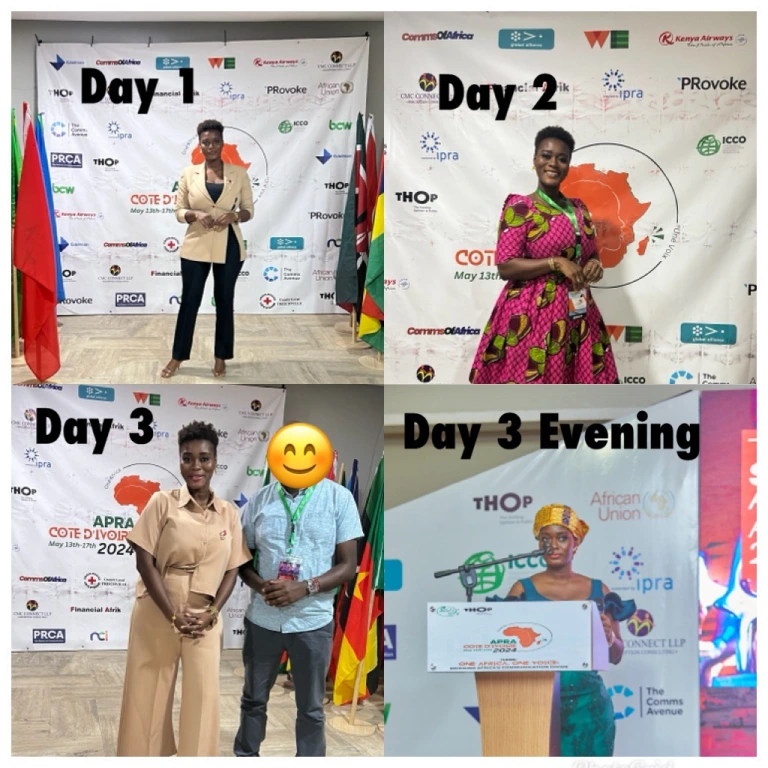
This is where today’s blog becomes relevant.
Thankfully, I had packed one extra outfit—a versatile piece I had thrown in just in case I needed something for an unexpected meeting. That last-minute addition saved me. But it got me thinking: What if I hadn’t packed it?
I briefly considered shopping in Grand Bassam, but the options for formal wear were limited. I asked someone what they would have done in my situation, and their response? “I’d just repeat my first-day outfit.” (I could never do that!)
And that’s when it hit me: It’s not just about having a Plan B—it’s about the quality of that Plan B.
We always hear, “Have a backup plan.” But is your backup plan actually solid? Because while you may not always need it, when you do, its quality is all that will matter.
Tips for Building a Strong Plan B
- Anticipate the Unexpected
Think ahead about possible roadblocks—whether in your career, travel plans, or personal life. Don’t wait until you’re in a bind to realize you needed a backup. - Make It a Quality Alternative
A backup should never feel like a last resort. Whether it’s an outfit, a career move, or a financial cushion, your Plan B should be something you’re comfortable and confident using. - Test It Before You Need It
If your Plan B involves a skill, a second career path, or even an emergency fund, make sure it actually works before you’re forced to rely on it. - Have Options, Not Just One Plan B
Sometimes, even the backup plan fails. Having multiple alternatives keeps you flexible and reduces stress when things don’t go as planned. - Stay Ready, So You Don’t Have to Get Ready
A weak Plan B is like hindsight—it’s useless when you’re already in trouble. Taking time to prepare now can save you from future frustration.
So, as we step into March, keep this in mind: It’s better to be prepared than to be caught scrambling. Make sure your Plan B isn’t just an afterthought but a real, reliable alternative.
Wishing you a productive and fulfilling month ahead.
Cheers!